
How to Reduce Conveyor Belt Downtime in Stoke-on-Trent
Conveyor belt downtime can quickly affect an entire working site. A fault on one section of a production or handling line may delay processing, prevent orders from being completed and leave staff waiting for equipment to become operational again.
This is particularly relevant across Stoke-on-Trent, where conveyor systems are used within manufacturing, ceramics, materials processing, warehousing, packaging, recycling and distribution. Industrial development continues around the A500 corridor and the Ceramic Valley Enterprise Zone, including Etruria Valley, Cliffe Vale, Tunstall and Chatterley Valley. These areas are home to a growing mix of manufacturing and industrial businesses that depend on reliable equipment to maintain output.
Not every conveyor belt problem can be prevented, but businesses can reduce the likelihood of sudden failure. Regular visual checks, sensible maintenance planning and a clear response to early warning signs can all help keep disruption under control.
Conveyor Belt Failure Rarely Starts Without Warning
A conveyor belt may appear to fail suddenly, but the underlying issue has often been developing for some time.
Small changes in belt tracking, surface condition or joint integrity can gradually worsen during everyday use. Operators may initially notice an unusual noise, occasional slipping or a belt that needs to be adjusted more frequently than before.
Common warning signs include:
- Fraying or cracking along the belt edges
- A joint beginning to separate
- The belt moving towards one side of the conveyor
- Material collecting around rollers or pulleys
- Slipping during start-up or under load
- Unusual vibration or noise
- Visible cuts, grooves or surface wear
- Repeated stoppages on the same conveyor
Monitoring equipment condition makes it easier to identify developing faults before they result in a complete breakdown. Belt monitoring systems used within industrial environments commonly look for tracking problems, edge damage, splice deterioration, abnormal wear and insufficient cleaning because these can all indicate that remedial work is required.
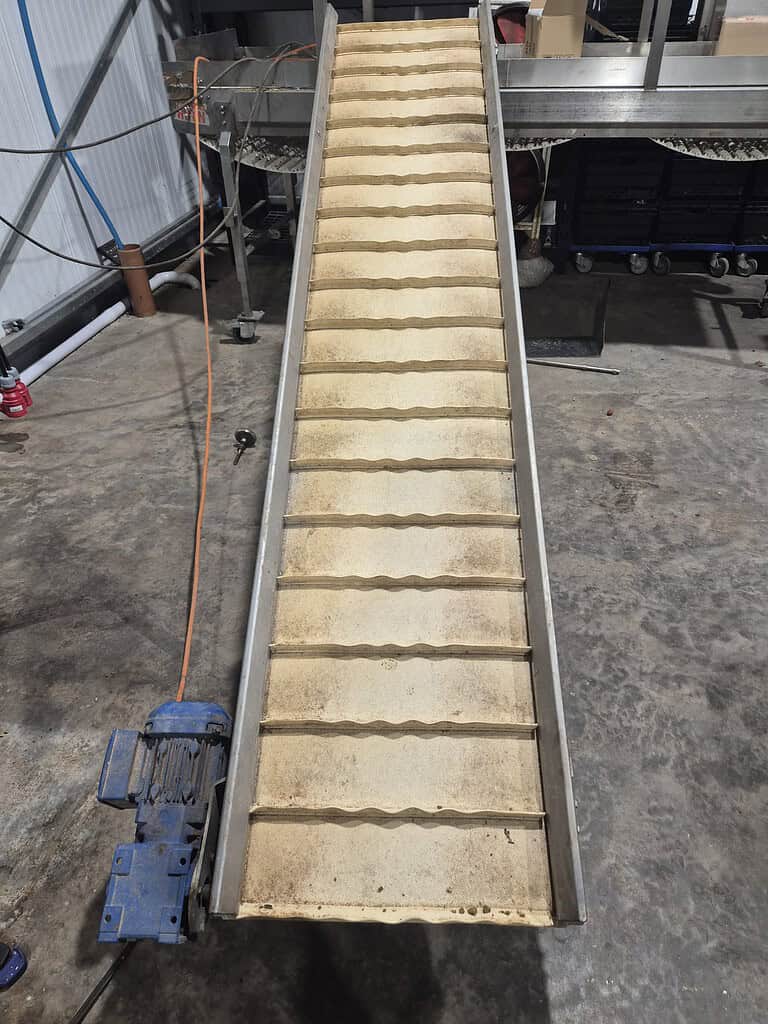
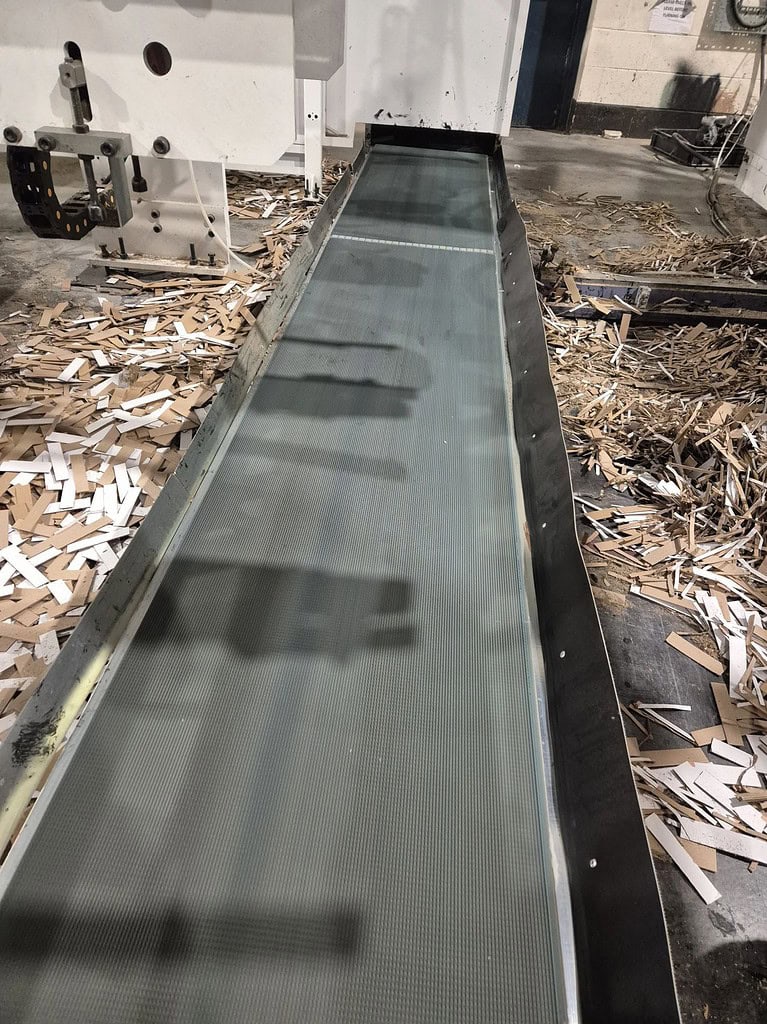
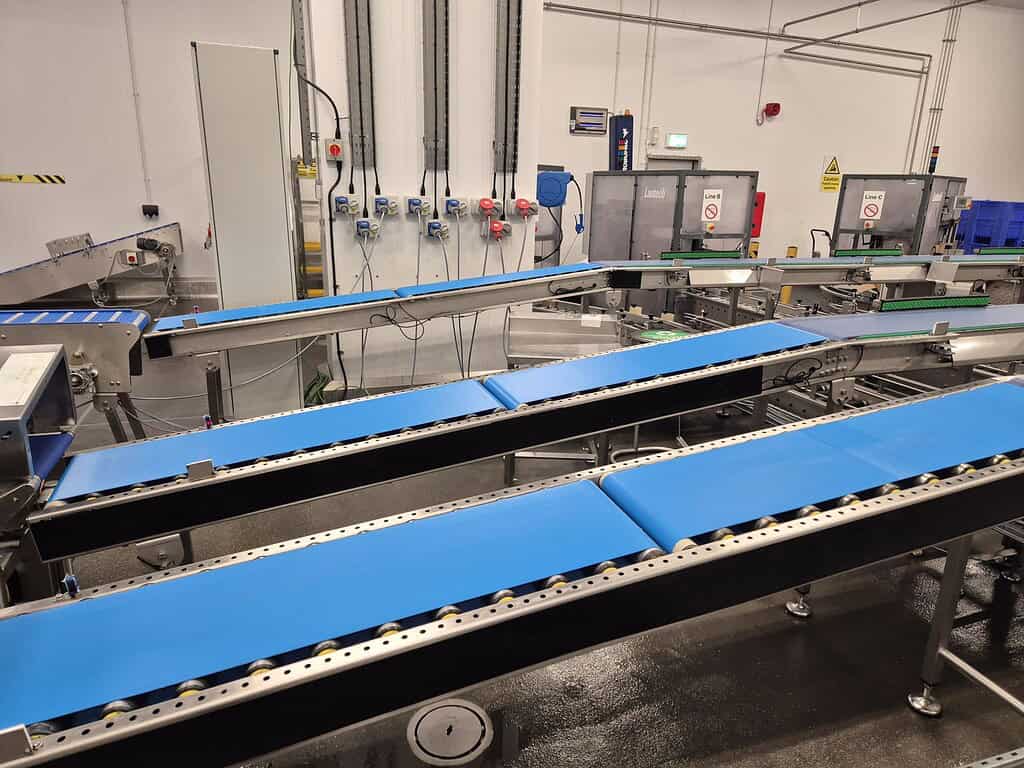
Introduce Simple and Consistent Visual Checks
An inspection routine does not always need to be complicated. In many workplaces, the people operating the conveyor each day are best placed to notice that something has changed.
A simple reporting process can encourage operators to record unusual movement, noise, visible wear or changes in performance. This information can then be passed to the maintenance team before the issue becomes more serious.
The frequency of checks should reflect how heavily the conveyor is used, the environment surrounding it and the importance of the system within the wider operation. A conveyor running for several shifts each day in a dusty processing area may need more attention than a lightly used belt moving packaged goods.
Visual observations can often be made during normal operation from a safe position. However, no one should reach into, clean, adjust or remove guards from a moving conveyor. Machinery should be properly switched off, isolated and locked off where appropriate before cleaning, maintenance or adjustments are carried out. The Health and Safety Executive also advises businesses to ensure that maintenance is completed by competent people using a safe system of work.
Pay Attention to Recurring Tracking Problems
A belt that continually moves towards one side of the conveyor should not simply be pushed or adjusted back into position each time it happens.
Poor tracking can damage the belt edges and place unnecessary stress on the system. Possible causes include:
- Pulleys or rollers that are not correctly aligned
- Uneven loading across the belt
- Material build-up on part of the system
- Incorrect or uneven tension
- Worn conveyor components
- A poorly formed or damaged joint
- Structural alignment issues
The belt itself is not always the main cause. Installation, maintenance and conveyor alignment can all influence how a belt tracks. Repeatedly adjusting one component without identifying the underlying problem may make the fault harder to diagnose.
If a conveyor belt at your Stoke-on-Trent premises is repeatedly running off centre, arranging a proper assessment may prevent damage to an otherwise serviceable belt.
Keep the Belt and Conveyor Components Clean
Material build-up can affect far more than the appearance of a conveyor.
Dust, product residue, oil, grease and other contamination may reduce grip between the belt and drive pulley. Deposits on rollers or the conveyor bed can also contribute to tracking problems, increased friction and premature belt damage.
The correct cleaning method will depend on what is being carried and the material from which the belt is manufactured. A food handling belt may have strict hygiene requirements, while a belt used around ceramics, aggregates or recycled materials may need to cope with dust and abrasive residue.
Cleaning should form part of the planned maintenance routine rather than only being completed once the conveyor begins to struggle. Belt and machinery manufacturers recognise that dirt deposits and product build-up can contribute to slipping, poor tracking and increased wear.
Any cleaning procedure should be documented and carried out safely, with appropriate isolation and guarding arrangements in place.
Keep an Accurate Record of Belt Specifications
One of the most common causes of delay during an urgent repair or replacement is missing information.
If a conveyor belt fails, the supplier may need to know:
- The belt length and width
- The belt material
- The surface pattern or texture
- The thickness of the belt
- The joint type
- The product being conveyed
- The operating temperature
- The belt speed
- The pulley diameters
- Any guides, profiles or cleats fitted
- Photographs of the belt and damaged area
Keeping this information with the machinery maintenance records can make it much easier to discuss a problem and prepare an appropriate replacement.
Where the original specification is not available, measurements may need to be taken from the conveyor or existing belt. This should be completed carefully because an incorrectly sized belt may create further problems with tension, tracking and overall performance.
Businesses using specialist or older machinery may also benefit from recording the specification of any custom-made belts or poly bands. This can reduce the amount of investigation required when the part eventually needs to be replaced.
Plan Maintenance Around Production Schedules
Waiting for a conveyor to stop before arranging maintenance usually means the work takes place at the least convenient time.
A planned inspection or repair can often be scheduled during:
- Shift changes
- Factory shutdowns
- Quiet production periods
- Weekends
- Cleaning periods
- Planned machinery servicing
This gives the maintenance team time to assess the belt, obtain the correct materials and complete the work without the same pressure created by an unexpected failure.
The HSE recommends using planned downtime for maintenance where possible because it makes it easier to coordinate production and maintenance activity while reducing unforeseen delays.
For Stoke-on-Trent production sites operating across several shifts, identifying suitable shutdown windows in advance can make future repair work easier to organise.
Decide Whether the Belt Should Be Repaired or Replaced
Not every damaged belt requires immediate replacement. A localised fault may be repairable where the remaining belt is still in good condition.
Repair may be appropriate where:
- The damage is limited to a specific area
- The belt surface remains serviceable
- The joint can be renewed
- The belt has not become permanently distorted
- Repair will provide a dependable working life
Replacement may be the better option where:
- Wear is visible across most of the belt
- The edges are extensively damaged
- The belt has stretched or lost its shape
- Several repairs have already been completed
- The belt regularly slips or tracks poorly
- The existing material is unsuitable for the application
- Continued repairs are creating repeated disruption
The decision should consider the age and condition of the belt, the cause of the damage and how important the conveyor is to the wider operation.
A short-term repair may restore production quickly, but it should not be used to postpone replacement indefinitely where the belt is approaching the end of its usable life.
Businesses experiencing a current fault can contact Premier Belting Services Ltd for conveyor belt repairs in Stoke-on-Trent, including on-site assessment, vulcanising, joining and replacement work.
Make Sure the Replacement Belt Suits the Application
When replacement is necessary, ordering a belt that appears similar to the old one is not always enough.
The correct belt material and construction will depend on several factors, including:
- The weight of the product
- Whether the product is loose or packaged
- Required levels of grip
- Exposure to oil, moisture or chemicals
- Operating temperatures
- Hygiene and cleaning requirements
- Inclines or declines within the system
- The size of the conveyor pulleys
- The speed of the line
- Expected daily operating hours
A smooth PVC belt may work well for one application, while another conveyor may require polyurethane, a textured surface or a custom profile.
This is where speaking to an experienced conveyor belt supplier in Stoke-on-Trent can be useful. Rather than ordering solely from basic measurements, the belt can be selected and manufactured around the work it will actually perform.
Create a Basic Downtime Prevention Plan
A practical conveyor belt plan could include:
- Identifying the conveyors that are most important to production.
- Recording the specification of each belt.
- Training operators to report changes in performance.
- Scheduling visual inspections and cleaning.
- Keeping photographs and maintenance records.
- Reviewing recurring tracking or slipping issues.
- Planning suitable shutdown periods for maintenance.
- Identifying belts or components that may need replacing soon.
- Keeping contact details for a conveyor belting specialist.
- Reviewing the cause of each breakdown rather than only repairing the visible damage.
This does not guarantee that a conveyor will never fail. It does, however, make the business better prepared and can reduce the time spent diagnosing problems when something goes wrong.
Conveyor Belt Support for Stoke-on-Trent Businesses
Premier Belting Services Ltd support manufacturing, processing, warehousing and industrial businesses throughout Stoke-on-Trent and the wider Staffordshire area.
From facilities around Fenton, Longton and Trentham to sites near Etruria Valley, Cliffe Vale, Tunstall and the A500 corridor, our team provides conveyor belt supply, custom manufacture, installation, vulcanising and repair services.
We manufacture polyurethane and PVC conveyor belts, power transmission belting and custom poly bands to order. With more than 17 years of industry experience, we can assess the requirements of your machinery and recommend a practical solution based on how the conveyor is used.
Whether you are planning ahead or dealing with an existing problem, contact Premier Belting Services Ltd to discuss conveyor belt supply and repairs in Stoke-on-Trent.
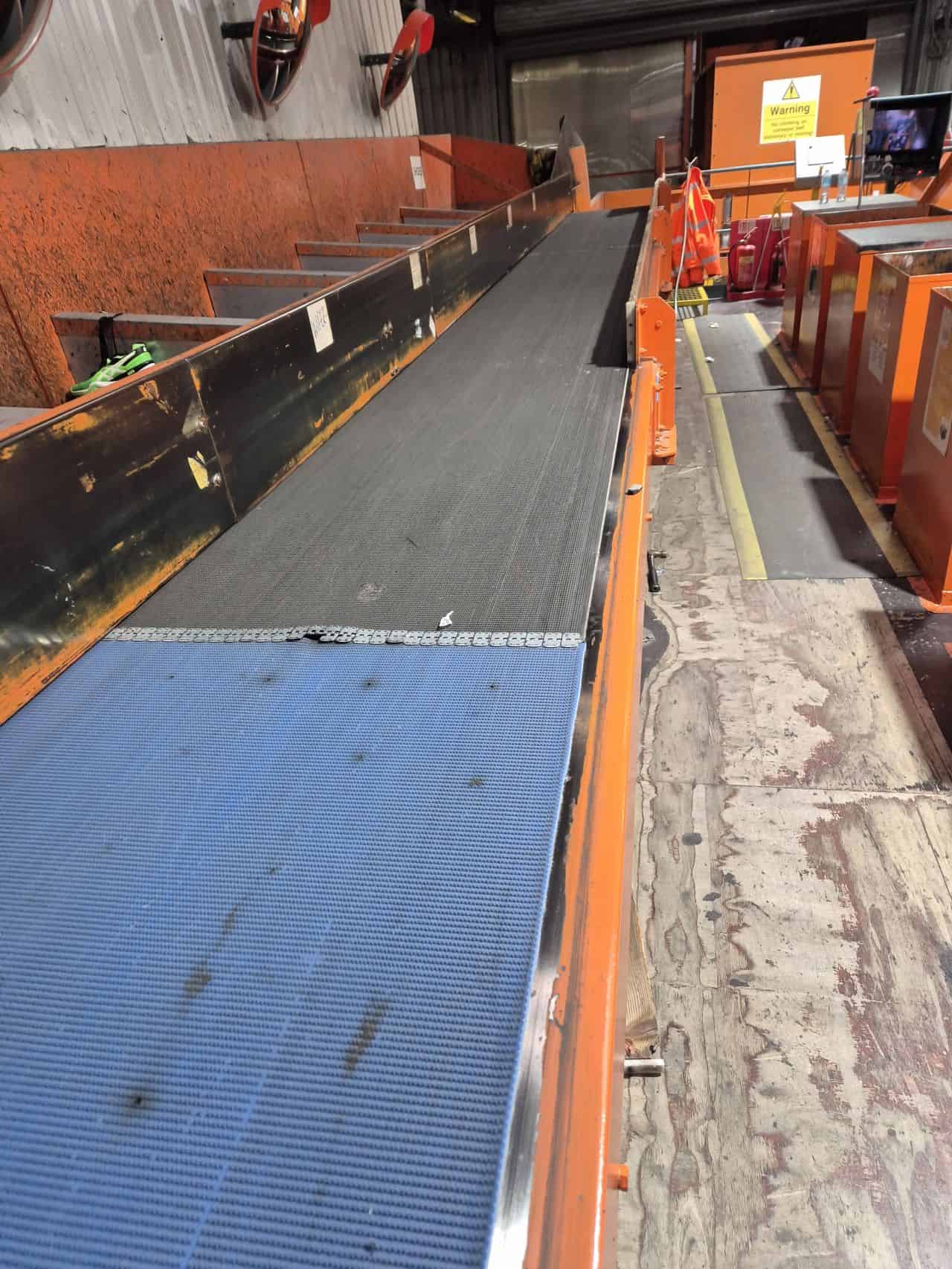
Do you need help from our experts?
Give us a call today to get expert advice and support from our experienced team.