
If your conveyor belt stops working properly, it does not just slow things down. It can bring your entire operation to a halt. For many businesses in Telford and across Shropshire, even a short period of downtime can lead to missed deadlines, lost revenue, and unnecessary stress.
The good news is that many conveyor belt problems follow familiar patterns. Knowing what to look out for can help you act quickly and avoid bigger, more expensive issues.
Here are some of the most common conveyor belt problems and how to deal with them.
Belt Slippage
One of the most frequent issues is belt slippage. This happens when the belt loses grip on the pulleys and starts to slide instead of moving smoothly.
You might notice reduced performance, unusual noises, or inconsistent movement.
In many cases, this is caused by incorrect tension, worn pulleys, or a build-up of debris. A quick adjustment to the tension or a clean-down can sometimes solve the problem. If it keeps happening, it may be time to replace worn components or have the system properly inspected.
Misalignment
A conveyor belt that is not running straight can quickly lead to damage. Misalignment often causes the belt to drift to one side, which increases wear and can result in tears or edge damage.
This is usually caused by uneven loading, worn rollers, or incorrect installation.
Fixing alignment early is key. Small adjustments to tracking or roller positioning can often bring the system back in line. Leaving it too long can result in more serious damage and higher repair costs.
Belt Wear and Tear
Over time, all conveyor belts will show signs of wear. Cracks, fraying edges, or thinning areas are all warning signs that the belt is nearing the end of its lifespan.
In busy environments such as manufacturing or recycling, this can happen faster than expected.
Regular inspections are the best way to catch these issues early. Minor damage can sometimes be repaired, but heavily worn belts should be replaced to avoid sudden failure.
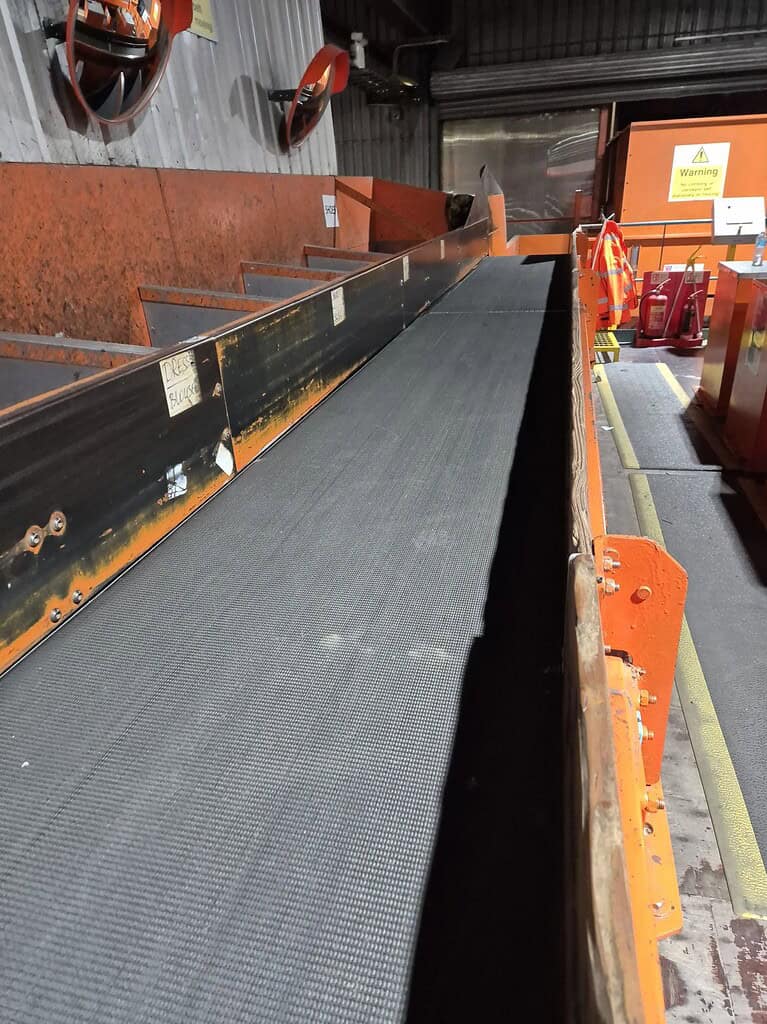
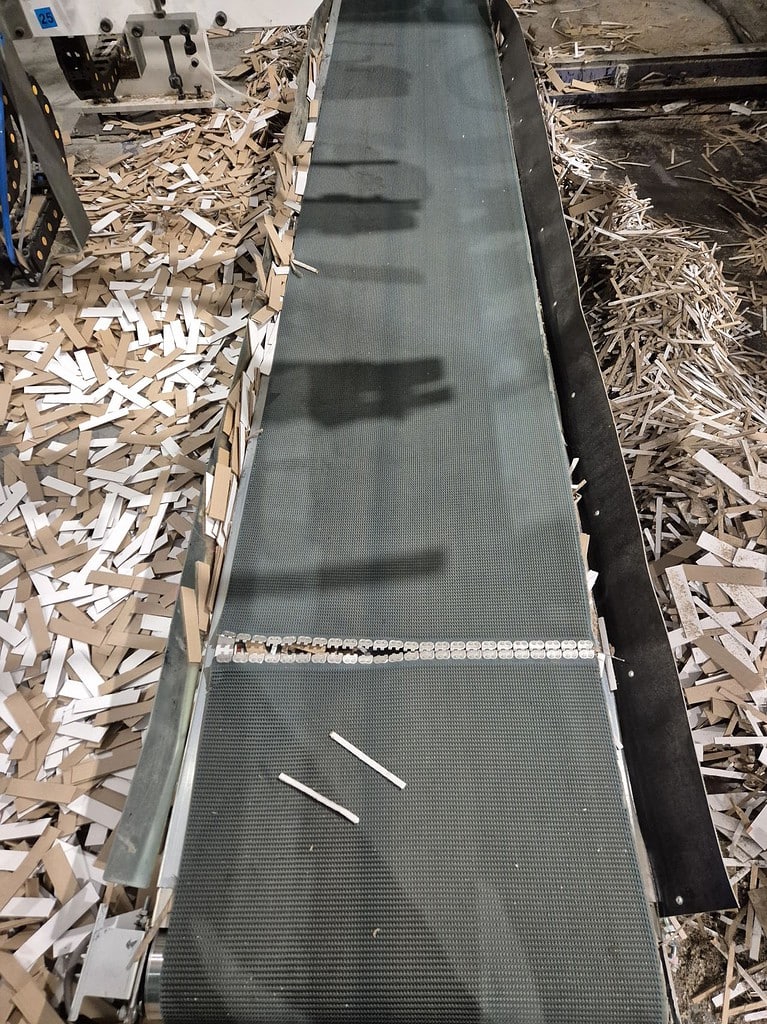

Material Build-Up
Dust, dirt, and product residue can build up on belts and rollers, especially in industries like aggregates or food production.
This build-up can affect performance, cause slippage, and increase wear on components.
Routine cleaning and maintenance can go a long way in preventing this. In some cases, installing scrapers or cleaners can help keep the system running smoothly.
Damaged Rollers or Components
Sometimes the issue is not the belt itself but the components around it. Damaged rollers, seized bearings, or worn pulleys can all affect how the conveyor runs.
You might notice unusual vibrations, noise, or uneven movement.
Replacing faulty components quickly can prevent further damage to the belt and reduce the risk of a full system breakdown.
When to Call in the Experts
While some minor issues can be handled in-house, many conveyor belt problems require professional attention. If your system is frequently breaking down, showing signs of major wear, or causing operational delays, it is time to bring in a specialist.
A professional conveyor belt repair service in Telford will be able to diagnose the issue properly, carry out repairs efficiently, and recommend ways to prevent future problems.
Keeping Your Conveyor System Running Smoothly
The best way to avoid costly repairs is to stay ahead of problems. Regular maintenance, routine inspections, and quick action when issues arise can make a huge difference.
For businesses in Telford, having a reliable conveyor belt repair team on hand means less downtime and more peace of mind.
If you are experiencing issues with your conveyor system or want to prevent problems before they start, getting expert support is always the smart move.
Do you need help from our experts?
Give us a call today to get expert advice and support from our experienced team.