
PVC vs PU Conveyor Belts: Which Is Right for Your Business?
PVC and polyurethane are two of the most widely used materials for light and medium-duty conveyor belting. Both can provide dependable performance, but they are not interchangeable in every application.
The best material for your conveyor will depend on what the belt carries, how frequently it operates and the conditions surrounding the machinery. Choosing solely by appearance or copying the material used on another production line can result in poor tracking, premature wear or a belt that is difficult to clean.
For businesses in Telford, Stoke-on-Trent and the surrounding areas, understanding the differences between PVC and PU belting can make it easier to order a suitable replacement or specify a belt for new machinery.
Why Does Conveyor Belt Material Matter?
A conveyor belt is exposed to far more than the weight of the product travelling across it. Its surface may also come into contact with moisture, oils, cleaning products, sharp edges, abrasive materials or changing temperatures.
The belt may need to grip products on an incline, release sticky materials cleanly or pass around relatively small pulleys. Some systems require a smooth surface, while others work better with a textured finish, profiles, guides or cleats.
Selecting the right belt material can help improve:
- Product movement
- Belt tracking
- Cleaning and hygiene
- Resistance to wear
- Grip on inclines
- Reliability during regular operation
- The working life of the belt
The complete specification matters. Material is an important starting point, but belt thickness, surface finish, fabric construction, jointing and dimensions must also suit the conveyor.
What Is a PVC Conveyor Belt?
PVC stands for polyvinyl chloride. PVC-coated conveyor belts are versatile and can be manufactured in different thicknesses, colours and surface patterns.
They are commonly used for general product handling, packaging, warehousing, logistics and selected food-handling applications. Industrial belt manufacturers also offer PVC belts for both wet and dry food products, depending on the exact belt specification and its relevant food-contact approval.
A PVC belt may be considered for applications involving:
- Boxes and packaged products
- Parcels and distribution systems
- General manufacturing components
- Warehouse handling
- Packaging machinery
- Dry products
- Selected food production processes
- Inclined conveying where a patterned surface is required
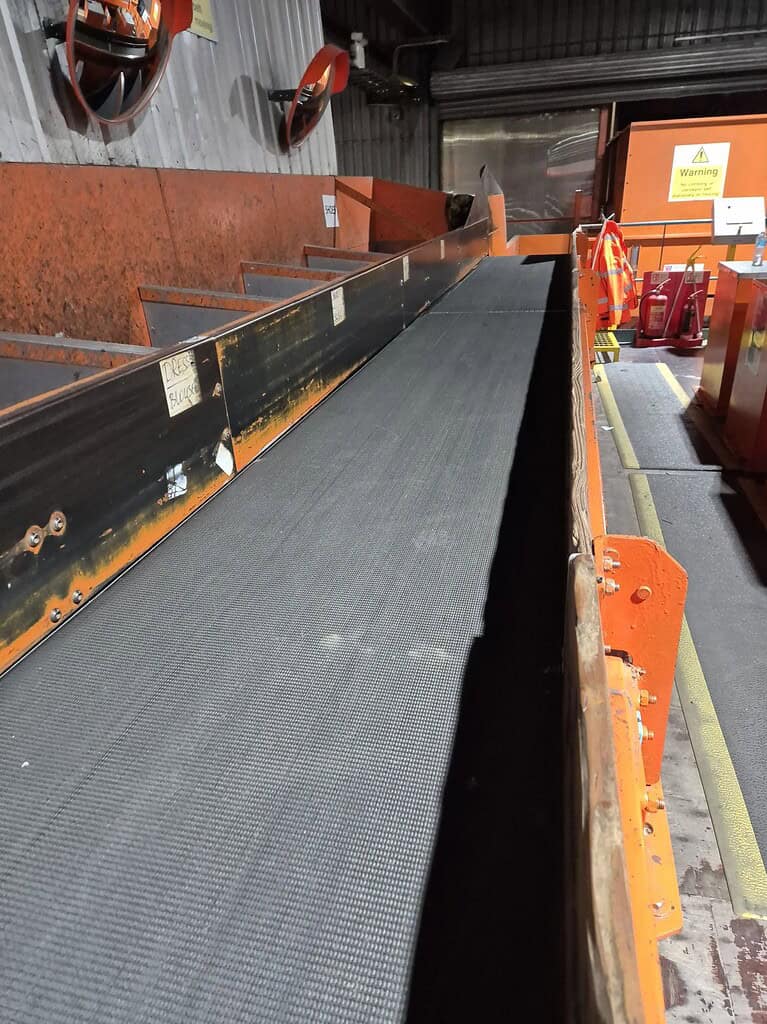
Different surface finishes can provide varying amounts of grip. A smooth belt may allow products to transfer easily, while a rough-top, chevron or patterned finish can help prevent items from sliding on an incline.
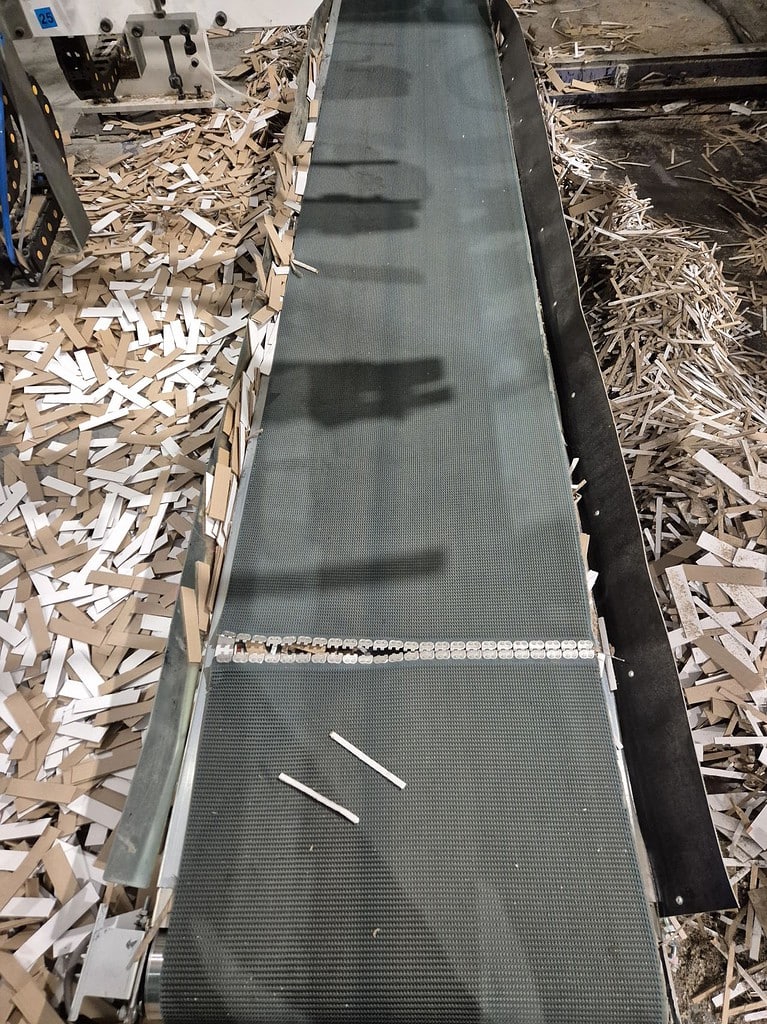
PVC is not one single specification. Two belts made using PVC may perform very differently depending on their construction, thickness, fabric layers and surface pattern.
What Is a Polyurethane Conveyor Belt?
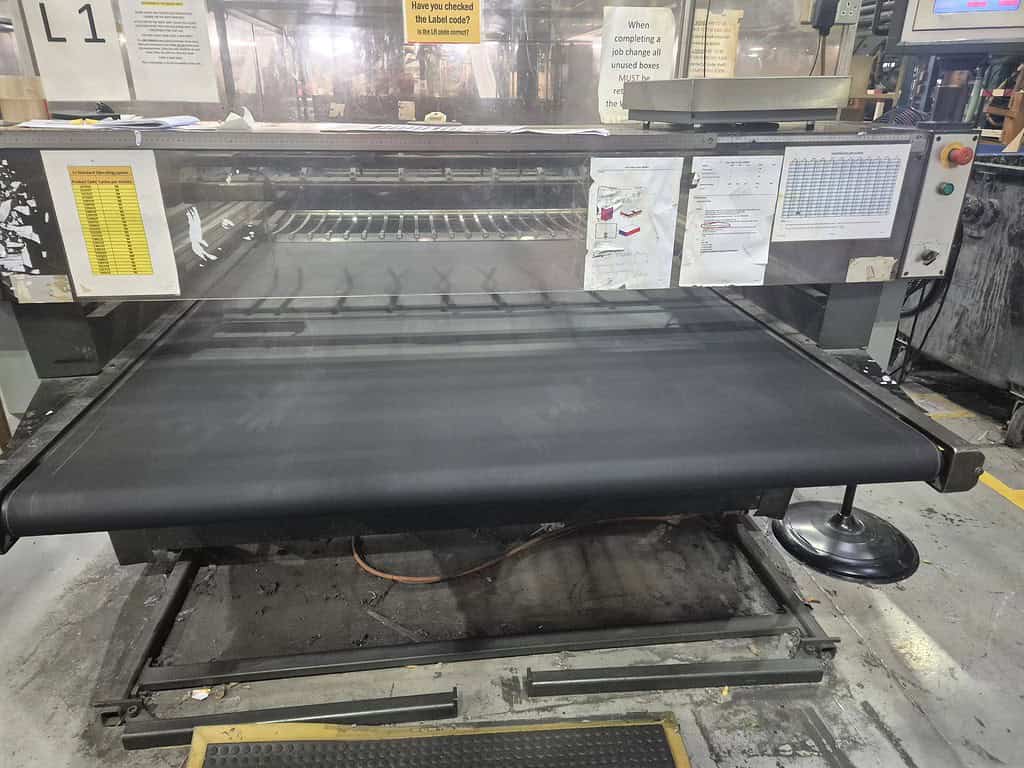
Polyurethane conveyor belts, often described as PU or TPU belts, are frequently selected for applications where hygiene, flexibility and resistance to fats or oils are important.
Polyurethane is widely used as a conveyor belt coating within food processing. Suitable PU belts can offer a smooth, non-porous surface, good flexibility at lower temperatures and resistance to wear, edible fats and oils.
PU belting may be suitable for:
- Food preparation and processing
- Bakery and confectionery production
- Meat and poultry handling
- Check-weighing equipment
- Packaging machinery
- Applications involving oils or fats
- Systems requiring regular cleaning
- Smaller pulley arrangements, subject to the belt specification
Food-handling requirements vary considerably. The correct certification and belt construction should always be confirmed for the particular product and process rather than assuming that every polyurethane belt is suitable for direct food contact.
Is PU Always Better for Food Production?
Not necessarily.
Polyurethane is commonly associated with hygienic food production because of its surface properties and resistance to oils, fats and moisture. However, suitable PVC belts are also used within some wet and dry food-handling applications.
The right choice depends on factors such as:
- Whether food is wrapped or unpackaged
- Direct food-contact requirements
- Exposure to animal or vegetable fats
- Cleaning temperatures
- The chemicals used during cleaning
- The required surface texture
- The type of belt joint
- The risk of fabric edges becoming exposed
- Operating temperature
- The food product being carried
Forbo, for example, identifies polyurethane conveyor belts as an option for unpackaged foods where resistance to oil, grease, moisture and bacteria is required. It also highlights that packaging machinery can use several different belt constructions depending on the job being completed.
This is why a belt should be selected around the actual conveyor process rather than through material name alone.
Which Material Is Better for Packaging and Warehousing?
PVC is frequently used for moving boxes, parcels, packaged products and general manufactured goods. It can be produced with smooth or high-grip surfaces to suit flat conveyors, inclines and different transfer points.
PU may still be appropriate for specialist packaging machinery, particularly where smaller pulleys, precise product positioning, flexibility or food-related cleaning requirements are involved.
For a general warehouse conveyor, PVC may provide a practical solution. For a check-weigher, food packaging line or specialist machine, a particular polyurethane construction may be better suited.
The machinery layout and product need to be considered together.
Consider the Product Being Carried
The product has a direct influence on belt selection.
A lightweight cardboard box places different demands on a belt than unpackaged food, ceramic components, oily engineering parts or abrasive recycled materials.
Before choosing PVC or PU, consider:
- The weight of each item
- Whether products have sharp edges
- Whether loose material can become trapped
- The presence of oil, grease or moisture
- Whether the surface is likely to stain
- The amount of grip required
- Whether the product must release cleanly
- The risk of abrasion
- How the belt will be cleaned
Providing this information to the belt manufacturer can help prevent an unsuitable material or surface finish from being selected.
Local Conveyor Belt Requirements Across Telford and Stoke-on-Trent
Telford supports a broad mix of engineering, manufacturing, logistics and industrial businesses. Employment areas including Hortonwood, Halesfield, Stafford Park and T54 contain facilities with very different production and materials-handling requirements. Recent development promoted through Telford & Wrekin Council’s Land Deal has continued to create industrial and employment space across these parts of the town.
Stoke-on-Trent also combines traditional ceramics and materials businesses with modern manufacturing, logistics and processing operations. The Ceramic Valley Enterprise Zone runs alongside the A500 and includes locations such as Etruria Valley, Cliffe Vale, Tunstall Arrow and Chatterley Valley.
A belt used to move packaged items at a distribution centre near Stafford Park may need a different finish from one carrying food products, ceramic materials or engineering components around Stoke-on-Trent.
Local industry type provides useful context, but the final decision should always be based on the individual machine and application.
Should You Replace a Belt With the Same Material?
Using the same specification may be sensible where the previous belt performed well and the operating conditions have not changed.
However, it is worth reviewing the specification where the old belt experienced:
- Frequent edge damage
- Repeated slipping
- Poor tracking
- Surface cracking
- Cleaning difficulties
- Product sticking
- Premature joint failure
- Excessive wear
- Insufficient grip
The problem may not be the belt material alone. Incorrect tension, worn rollers, alignment problems or product build-up can also damage a correctly specified belt.
An assessment of both the belt and conveyor can help establish whether the material needs to change or whether another part of the system is causing the fault.
Made-to-Order PVC and PU Conveyor Belts
Standard dimensions are not suitable for every conveyor. Older machinery, modified production lines and specialist equipment may require belting manufactured to specific measurements.
Premier Belting Services Ltd manufactures polyurethane and PVC conveyor belts to order. We can consider the required dimensions, surface finish, product type, operating conditions and jointing method before producing the belt.
Our team also provides installation, on-site joining, vulcanising and conveyor belt repairs for businesses across Telford, Stoke-on-Trent, Shropshire and Staffordshire.
Whether you are replacing a worn belt or reviewing the specification used across your production line, contact Premier Belting Services Ltd to discuss whether PVC or polyurethane belting is right for your machinery.

Do you need help from our experts?
Give us a call today to get expert advice and support from our experienced team.